

The lunar calendar ushers in the Year of the Fire Horse on February 17, 2026—year 4724 in the Chinese system. Picture a world alive with anticipation. The calendar itself feels like a passport to ancient traditions. The Gregorian calendar follows solar cycles and starts January 1. The Chinese lunisolar calendar dances to the phases of the moon and the march of the sun. Since its epoch in 2637 BCE, it runs roughly 19 years ahead. Here, time is measured by celestial poetry. New Year’s dates drift between January 21 and February 20. Families gather for lantern-lit nights, shared feasts, and celebrations that echo across continents.

Heart of Traditions in China
China’s Spring Festival unfolds over 15 days, centered on family reunions and banishing evil. Homes are a deep cleaned before New Year’s Eve to sweep out misfortune. Families then feast on dumplings for wealth, fish for surplus, and nian gao rice cakes for progress. Red lanterns glow and firecrackers boom to scare away the Nian beast. Children and singletons are gifted Lai see red envelopes stuffed with cash for luck. Temple prayers peak early, ending with the Lantern Festival’s riddles and lion dances.
Hong Kong’s Vibrant Spin
Hong Kong becomes traditional, urban, and electric. Crowds swarm flower markets for peach blossoms of immortality. Giant flower figures parade the busy streets. Eve banquets lead to temple dashes for blessings on day one. Banks close for longer hours amid a Lai See frenzy. Married women toss tin hau candies in playful fertility games. Victoria Harbour erupts in fireworks, mixing spectacle, piety, and the city’s electric buzz.
Macao’s Festive Fusion
As midnight sweeps over Macao, the city bursts alive with sound, color, and tradition. Welcoming the New Year here is like stepping into a living story. Every street and square hums with the blend of Portuguese heritage and Chinese ritual. Veteran travel journalist George Coleman has spent more than thirty years exploring Asia. He says, “There’s nowhere quite like Macao on New Year’s Eve. The whole city seems to shimmer with anticipation. You feel swept up in something ancient and brand new.”
A Feast For The Senses
Celebration here is a feast for the senses. Wander the winding lanes as midnight nears. You’ll hear some locals banging pots and pans. This playful Portuguese ritual banishes ill fortune and welcomes brighter days. “It’s one of those rare moments,” George Coleman notes. “You can literally hear centuries-old traditions echoing through the streets. The energy is contagious.” The air carries hints of flowering branches and golden tangerines. Their delicate fragrance mingles in the festive markets. These are timeless Chinese emblems of luck and joy. George adds, “For me, the scent of those tangerines piled high in market stalls signals hope and renewal.”
This unique fusion pulses through every celebration. Join the jubilant countdown concerts or lose yourself in the multicultural buzz. At the Taipa Houses, Macanese traditions and international rhythms entwine. It’s a spectacle found nowhere else. George Coleman shares, “This year we can watch firework and drone displays”. “You realise that Macao is always evolving, yet it never forgets its roots. I’ve celebrated the New Year all over Asia. Macao’s blend of past and present is unmatched.” Each New Year’s Eve in Macao is more than a party. It’s a vivid, unforgettable journey through history, culture, and hope.

The UK, led by London’s Chinatown, braves February’s chill with flair. Trafalgar Square’s parade has 175-foot dragons snaking past acrobats, lion dances, and dim sum stalls. Manchester’s dragon dance and Birmingham’s Digbeth crafts, like fai chun calligraphy, draws multicultural crowds. Across Europe, Paris and Amsterdam Chinatowns ring with gongs and baozi buns. Events shrink to weekends, blending workshops and fairs into work-friendly bursts, unlike Asia’s extended holidays.
Diaspora Delights Worldwide
Far-flung communities remix rituals with creativity. San Francisco’s historic Chinatown unleashes gold dragons in the oldest US parade. Vancouver rivals China with spectacular fireworks. Sydney launches sky lanterns over the city. Malaysia’s Peranakan Chinese blend nyonya dishes with lion dances. India’s Tangra adds Bollywood beats to the mix. These places swap rural temple treks for community hall gatherings and LED dragons when fireworks falter, highlighting migration’s community glue.
Spotlight on Telling Differences
China’s traditions demand intense reunions and no post-eve sweeping to trap good fortune. Firecrackers and ancestor altars dominate 15 days. Hong Kong swaps that for market rushes, harbour fireworks, tin-hau sweets, and flower fairs. Macao adds god figures, A-Ma rituals, and Senado lights amid Portuguese vibes. The UK and Europe have shorter parades, multicultural workshops, and rainy-day crafts that fit work calendars. Diaspora celebrations innovate with nyonya dishes or LED shows, prioritizing bonds over scale. Red prosperity threads unite everyone during the Fire Horse’s fiery dash.

Things you should do
- Clean the home thoroughly before New Year’s Day to sweep out old bad luck and make space for new fortune.
- Decorate with red lanterns, red means good luck and protection.
- Wear new clothes, ideally in red, to representing a fresh prosperous start.
- Visit family, especially elders, and have reunion meals to strengthen family ties that invite harmony.
- Give Lai See to children and unmarried youngsters. Use crisp new notes and avoid unlucky amounts like 4.
- Constantly repeat auspicious greetings “Gong hei fat choi”, “sun tai gin hong” and avoid bringing up bad news.
- Prepare and eat lucky foods
- Fish = Abundance,
- Dumplings = Wealth,
- Turnip cake = Becoming rich fortune,
- Mandarins and oranges = Luck and wealth.
- Settle debts and return borrowed items before the New Year so you symbolically start the year debt‑free.

Things You Shouldn’t Do
- Don’t cut or wash your hair on New Year’s Day. Hair, sounds like “wealth,” so trimming the barnet is like disposing of fortune.
- Don’t buy shoes at the start of the New Year: “shoe” sounds like “sigh” in some dialects. It can mean a year full of frustration.
- Don’t clean the house or take out the rubbish on Day 1, or you symbolically throw away your good luck.
- Don’t use knives, scissors, or needles on Day 1; they can cut your wealth. They symbolise arguments or injury.
- Don’t break bowls, plates, or glass; it’s linked to broken fortune or relationships. Use the red‑paper remedy if accidents happen.
- Don’t argue or scold children, or use cursing language; it’s thought to bring a year filled with conflict.
- Don’t cry or talk about illness, death, or bad events; this is seen as inviting those into the year.
- Don’t borrow or lend money in the first days. It suggests a year of cash flowing away or being stuck in debt.
- Don’t wear mainly black or white, as these are traditionally funeral colours; choose festive colours instead.
- Don’t eat plain foods like just congee on Day 1; people prefer a rich abundant spread.
Armed with these traditions and taboos, you’ll navigate Lunar New Year with confidence, charm and prosperity.
Kung Hei Fat Choy! May your fortune flow endlessly in 2026.
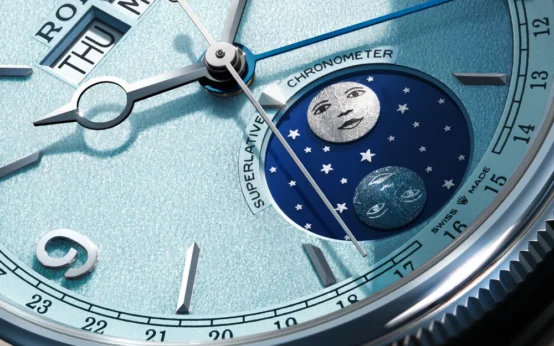 Rolex Just Reinvented the Perfect Calendar Watch
 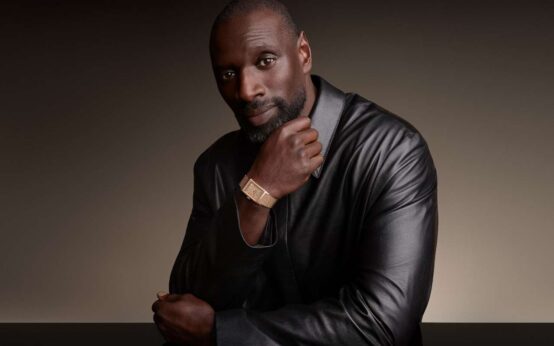 The Hour Before With Omar Sy: A Conversation On Time, Gratitude And Quiet Confidence
 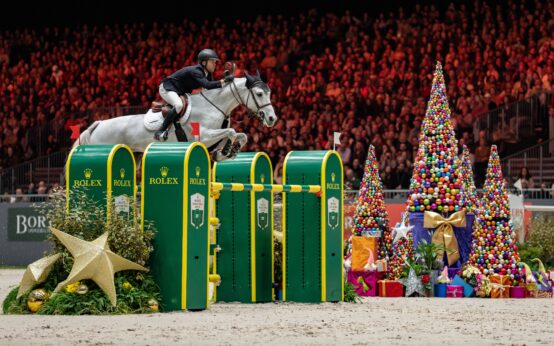 Rolex Victory In Geneva. A 2026 Grand Slam Beckons
 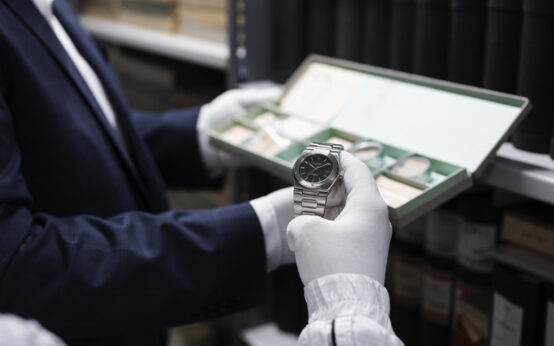 Your Passport to the Past: IWC Unveils Its Exclusive Vintage Program
  Horological Homage to 250 Years of Mastery
