
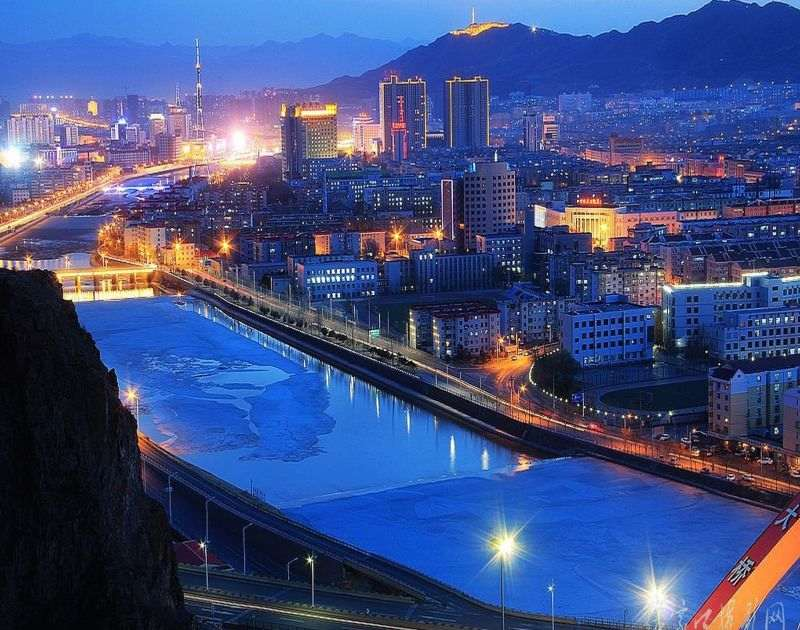
Beyond China’s famous cities and iconic attractions lies a quieter side of the country, where mountains, farmland, historic villages and long-standing traditions continue to shape everyday life. This is the world explored in the third season of Village Voyage, which follows CGTN host Julian Waghann from the United States and Mexican traveller Juan Carlos Cheang Guzmán on a journey through Zhangjiakou in Hebei Province. Located around 200 kilometres north-west of Beijing, Zhangjiakou is known for its dramatic mountains, wide-open highlands and growing outdoor culture.
The region gained international attention as one of the host areas of the 2022 Beijing Winter Olympics, but there is far more to discover beyond its ski slopes and Olympic legacy. By travelling into the surrounding countryside, Julian and Juan experience local food, traditional crafts, outdoor adventures and the daily lives of the communities that call Zhangjiakou home. Their journey offers an opportunity to see how different rural communities are embracing new experiences while remaining connected to their landscapes and cultural heritage.
The mountains of Chongli have long attracted visitors during the winter months, particularly for skiing. Their role as a host area for the 2022 Beijing Winter Olympics placed the region firmly on the international map. But once the snow melts, Chongli does not lose its appeal. Today, the mountains are increasingly being enjoyed throughout the year, with mountain biking, trail running, hiking and camping offering visitor’s new ways to explore the landscape.
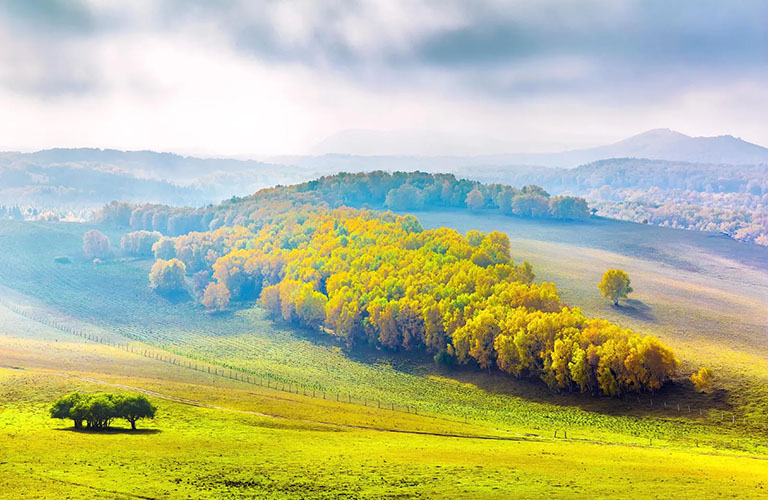
“Winter is for skiing, but summer opens up a whole new world,” explains a local outdoor guide. Julian and Juan discover this for themselves as they cycle along forest trails, surrounded by fresh mountain air and the scent of damp earth. The experience provides a different perspective of Chongli, away from the winter crowds and ski resorts. Their visit also coincides with the Chongli 168 Ultra-Trail Race, where thousands of runners gather to tackle the challenging mountain terrain. Watching the competitors set off, Juan finds a familiar connection between the landscape of northern China and the mountains of Latin America.
“Mountains don’t have borders,” he says, reflecting on the shared desire to explore nature and challenge yourself in the outdoors. For adventure seekers, Chongli’s expanding calendar of outdoor activities makes it a destination worth considering in every season. From the mountains, the journey continues to Yugouliang Village, a highland community surrounded by farmland and expansive skies. The village has developed a particularly distinctive approach to wellness: outdoor yoga practised directly among the fields.
Rather than taking place in a studio or resort, yoga here forms part of the natural rhythm of village life. Residents incorporate stretching and breathing into their routines between the demands of planting and harvesting. “Our yoga comes from farm work,” explains one villager. “It is part of how we live.” Before taking part in a yoga session, Julian and Juan experience another important element of local culture by learning how to prepare youmian, a traditional staple made from oats. Working the dough and shaping it by hand gives the travellers an opportunity to engage with the region’s agricultural traditions before they head into the fields with their yoga mats.
Practising alongside local residents, they experience a slower pace that contrasts with the more energetic mountain activities of Chongli. Yugouliang demonstrates how rural communities can find contemporary ways to enjoy health and well-being without separating themselves from the land and activities that have always been central to village life.
Further south lies Yuxian, an area known for historic settlements, traditional architecture and distinctive folk arts. The region’s architecture has even found a place in contemporary popular culture, with some historic buildings inspiring locations featured in Black Myth: Wukong, the acclaimed Chinese action role-playing game. For visitors interested in traditional culture, however, one of Yuxian’s most fascinating attractions is its paper-cutting heritage. Yuxian paper-cutting originated among ordinary people and was traditionally used to decorate farmhouse windows. Intricate designs transformed simple pieces of paper into colourful decorations, bringing artistic expression into everyday homes.
Today, the craft has travelled far beyond its original setting. Julian and Juan try their own hand at paper-cutting, discovering just how much patience and precision is required to create the delicate designs. Their efforts may be far from perfect, but the experience provides a personal connection to a tradition that has been passed down through generations.
The appeal of Yuxian’s folk art lies partly in its simplicity. It was never created solely for galleries or exhibitions; it developed as part of ordinary life. For travellers, experiencing these crafts first-hand offers a chance to understand cultural heritage through participation rather than simply observation.
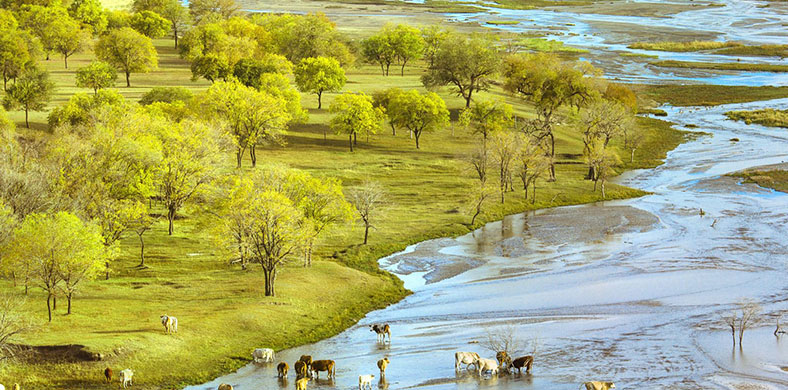
While Yuxian provides a connection to the past, Desheng Village offers an insight into how technology is influencing the future of rural communities.
Situated in the highland farming region of northern Zhangjiakou, Desheng has incorporated solar power and modern agricultural techniques into its development. Rows of solar panels stretch across the landscape, making use of the area’s abundant sunlight, while temperature-controlled greenhouses support agricultural production.
For local farmers, these developments can provide greater stability than relying entirely on changing weather conditions. “We used to depend heavily on the weather,” says one villager. “Now technology and sunlight give us new hope.” Julian and Juan step inside the greenhouses to pick tomatoes and cucumbers, experiencing the farming process first-hand while seeing how modern systems are being integrated into traditional agricultural communities. The impact reaches beyond the fields. Revenue generated through clean energy contributes towards community projects, including schools, roads and public spaces. Yet Desheng’s story is not solely about technology.
As evening arrives, the travellers join local residents around a bonfire in the village square. Music, laughter and conversation bring the community together, creating a lively contrast to the quiet efficiency of the greenhouses. It is a reminder that even as rural communities embrace new technologies and economic opportunities; the social character of village life remains important.
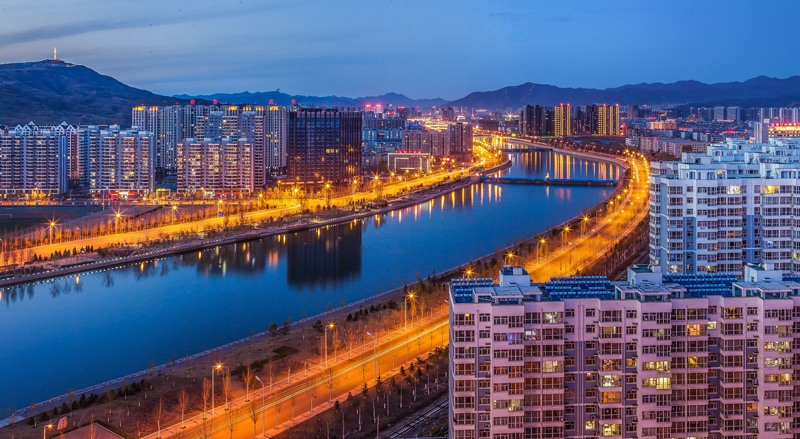
Travelling through Zhangjiakou’s villages reveals a region of considerable variety. In Chongli, mountain landscapes provide opportunities for year-round adventure. In Yugouliang, farming and wellness have become closely intertwined. Yuxian preserves traditional architecture and folk craftsmanship, while Desheng demonstrates how renewable energy and modern agriculture can support rural development.
Each destination offers something different, and together they provide a broader understanding of the region. For travellers, this type of journey also offers an alternative to conventional sightseeing. Instead of simply passing through a destination, visitors can participate in activities that reveal something about how local communities live.
Preparing youmian, learning paper-cutting, cycling through forest trails or practising yoga in a field creates a more direct connection with the surroundings. Zhangjiakou is therefore a destination where the landscape is only part of the story. Its mountains, villages and farmland provide the setting, but the experiences and people encountered along the way give the region its character.
The third season of Village Voyage captures this through Julian and Juan’s journey, taking viewers from mountain trails to village fields, historic settlements and modern greenhouses.
For anyone looking to explore a less familiar side of China, Zhangjiakou offers an intriguing combination of outdoor adventure, cultural discovery and rural experiences, all within a landscape where centuries-old traditions and new possibilities continue to meet.
 This is Your Chance to Brave Bangkok’s Leaning Skyscraper
 Hong Kong Madame Tussauds Debuts New Wax Figures
 We Found Your Next Favorite Escape The Insider’s Guide to Mudgee’s Best

