
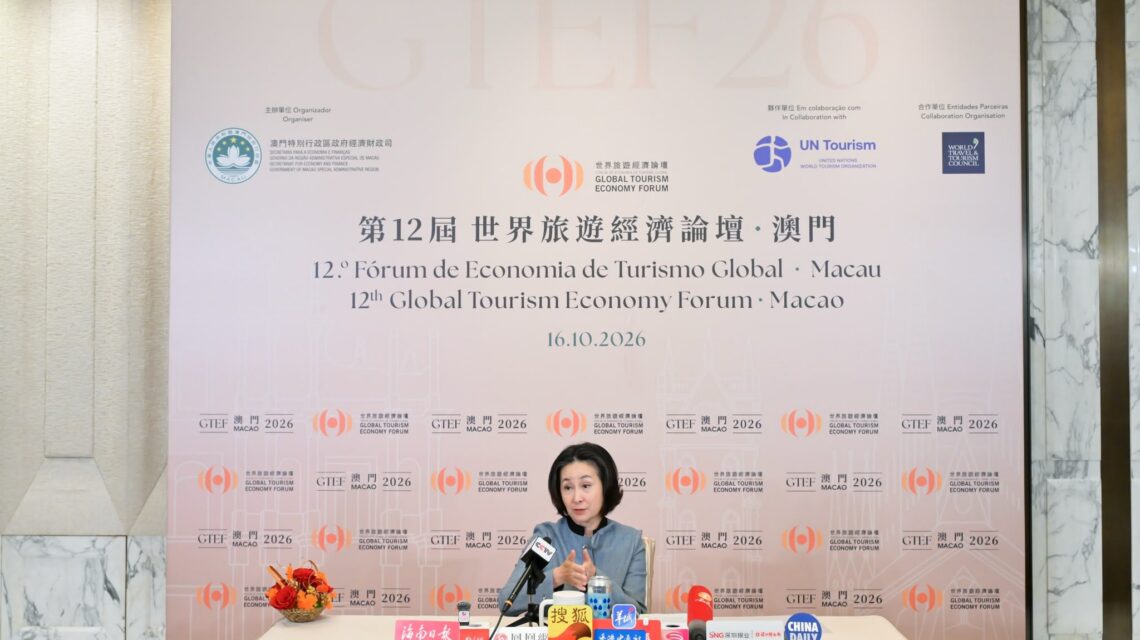
Pansy Ho was one of the key forces behind the Global Tourism Economy Forum. She was a major contributor from day one. In 2011, she founded the research centre behind the forum. That centre gave GTEF real intellectual weight. A year later, the first forum opened in Macau. Ho pushed the idea early and often. She brought leaders, governments and academics to the table. Today, she serves as vice chairman and secretary-general. The forum now sits firmly on the global tourism calendar. Her early input helped turn a bold concept into a thriving platform. That contribution still deserves real recognition.
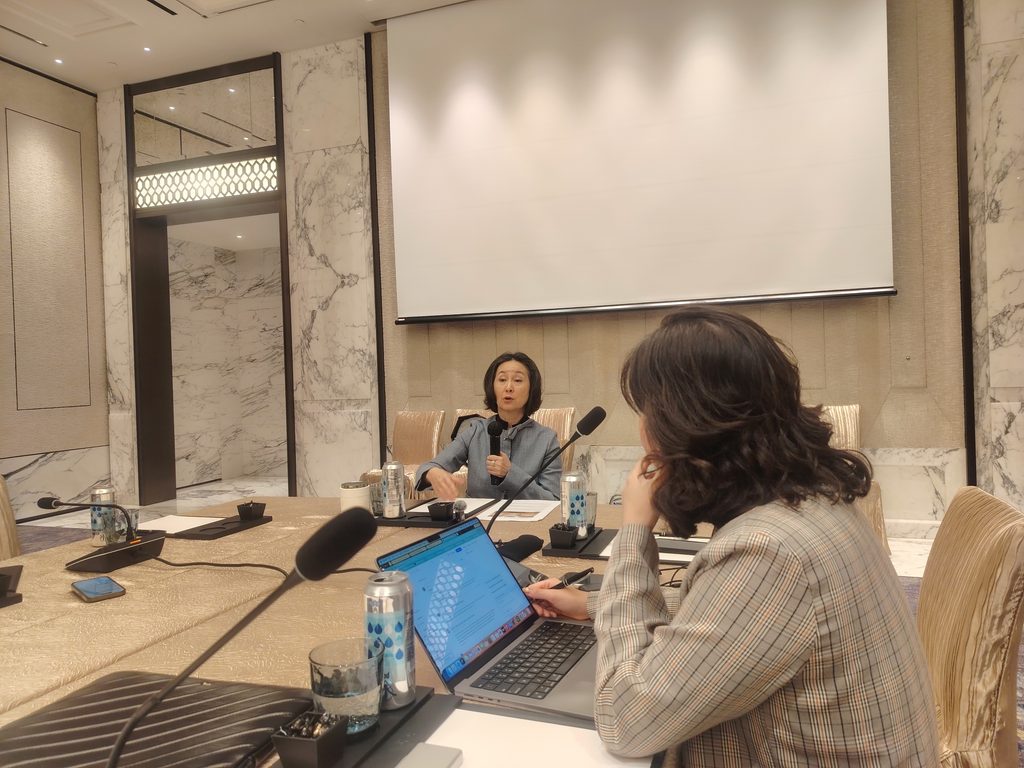
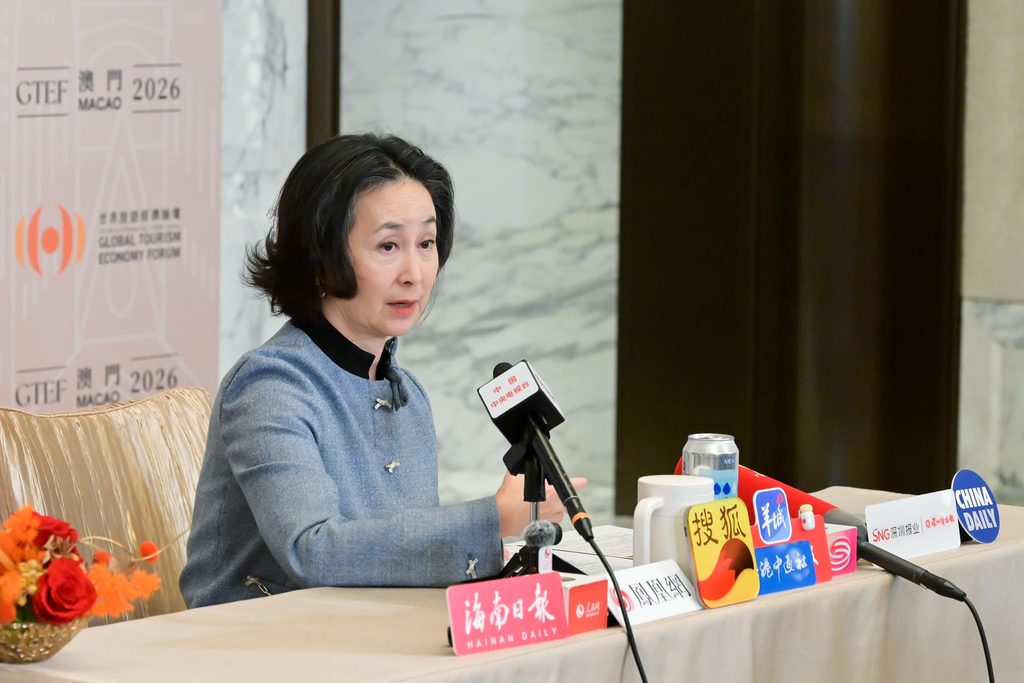
Few people read the travel industry as clearly as Pansy Ho. She is Chairperson of MGM China and Managing Director of Shun Tak Holdings. She is also a leading voice in global tourism. Jetsetter met her in Macau recently. The conversation ranged widely. We covered Macau’s future, travel technology, Saudi Arabia and China’s visa rules. Ho was generous with her time. She was also refreshingly direct. Her core belief is simple. Tourism success comes from effort, imagination and partnership.
A career built on curiosity
Ho studied marketing and international business management at Santa Clara University in the USA. She joined Shun Tak Holdings in 1995. She later helped build MGM China into a major hotel resort and entertainment business. MGM China operates MGM Macau and MGM Cotai. Ho also holds influential roles in several tourism bodies. These include the China Chamber of Tourism and the International Mountain Tourism Alliance. She also sits on the World Travel & Tourism Council. In 2018, she became the UN World Tourism Organisation’s first Tourism Ambassador in Asia.
Her career carries one consistent theme. She sees tourism as more than hotels and resorts. She sees it as a force for economic and cultural development.
Can Macau keep its magic?
I asked Ho how Macau keeps attracting visitors while protecting its old charm. Her answer was honest and direct. “Entrepreneurs involved in travel cannot rely only on luck and magic,” she told me. “They have to rely on really hard work and creative initiatives.”
She said outsiders often underestimate the challenge. “Many people think operating entertainment venues and coming up with unique tourist attractions is easy,” she said. “But we work really, really hard.”
Ho also welcomes healthy competition. “Sometimes our competitors get there first,” she explained. “But it doesn’t matter, it’s for the greater good and it keeps us all sharp.”
For Ho, Macau’s magic is not a fixed product. It must be refreshed through new ideas, better service and bold investment.
Technology supports the human touch
Technology is changing every part of the travel journey. Ho does not believe it will replace the desire to explore. “People have a desire to travel,” she said. “Technology is not suddenly going to remove that desire to be in a new and interesting place.”
Her view is clear. Technology should support the human experience, not replace it. “We aim to make sure travellers get the best use and leverage from technology,” she said.
Building bridges with Saudi Arabia
Saudi Arabia is rapidly opening itself to international tourism. I asked Ho whether her companies could help improve transport and visitor links between China and the Kingdom.
She believes there is real potential. “There are many ways in which our companies can provide benefits to Saudi Arabia,” she said.
Ho has developed meaningful connections in the Middle East. She sees those relationships as a foundation for future cooperation. “This has resulted in different cultures joining hands to plan ahead and build solid fruitful connections,” she said. “The future holds big potential.”
Stronger air routes, tourism promotion and cultural partnerships will benefit both regions. They will soon give Chinese travellers more reasons to visit the Gulf.
Will China extend visa-free travel?
China’s visa policy has become one of the most important stories in global travel. The country began a trial unilateral visa-free policy in 2023. It has since expanded the scheme to travellers from 50 countries. Eligible visitors may stay for up to 30 days. That covers tourism, business, family visits, exchanges or transit. China has also widened its 240-hour visa-free transit policy. This gives international travellers more flexibility when passing through the country. Recent additions include countries across Europe, Asia, the Middle East and Latin America.
The policy signals China’s intention to welcome more overseas visitors. It also supports Macau’s role as a gateway between China and international markets.
Tourism and the Belt and Road
Ho is also focused on cooperation with Belt and Road countries. She is working to promote travel opportunities. She also encourages joint projects that benefit participating nations. Tourism can create practical links between countries. It supports airlines, hotels, cultural venues, local businesses and employment. Macau is well placed to contribute. Its blend of Chinese and Portuguese heritage gives it a distinctive cultural identity. Ho sees opportunity in connecting visitors, businesses and destinations across the Belt and Road network.
From a small watch shop to global luxury
As our meeting ended, I recalled my first trip to Macau. I remember a tiny shop inside the Lisboa Hotel selling luxury watches. At the time, I wondered who would buy one there. Hong Kong was nearby, with an extraordinary choice of watches and luxury goods.
We both reflected on how much has changed. Since Macau returned to China, the city has developed into a destination filled with luxury brands, grand resorts and international entertainment. The small watch shop now feels like a symbol of Macau’s earlier era. Today, the city offers abundance, confidence and world-class experiences.
What comes next for Macau?
Ho does not take Macau’s success for granted. She believes the destination must keep earning its place in the global travel market. That means investing in culture, hospitality, technology and international relationships. It also means remembering that travellers seek emotion as much as convenience. Macau has history, energy and ambition. With leaders such as Pansy Ho shaping its future, it is likely to remain one of Asia’s most compelling destinations.
 Ben Fogle’s New China Expedition
 How Evians Choong Is Building an Empire, One Themed Hotel at a Time
 How One Forgotten Password Cost $500 Million +

